
by Mark Mallett
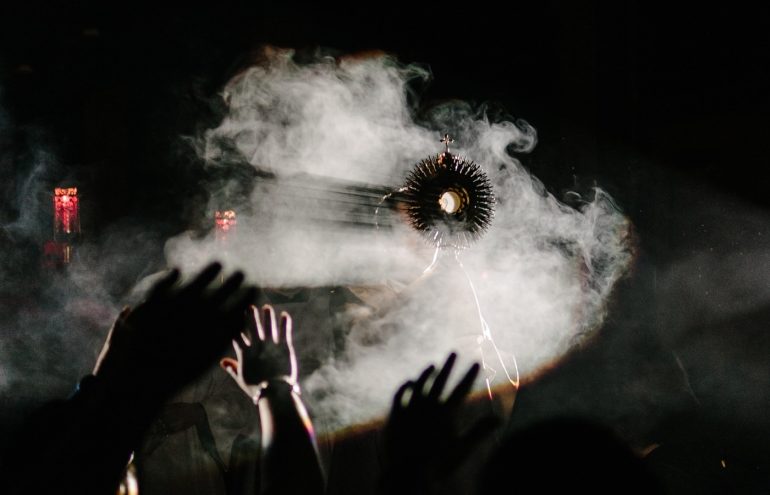
THE Easter Vigil ended and the thin congregation filed out. I was left standing at the altar as Fr. approached the tabernacle, knelt, and then reached inside. A few moments later, he turned and handed me the pyx — a small golden vessel for bringing Communion to the sick. There, in the palm of my hand, was Jesus.
I went out to the car and waited for my five sons to arrive. When they were all in the car, I placed the pyx on the dashboard and said, “Jesus is here. O Blessed Jesus, we love and adore You, and thank for having died and risen from the dead for us. Blessed are You, O Lord.”
As we pulled onto the highway to bring the Eucharist to an ill family member, my eldest son and I suddenly had an idea come to us at the same time. But it was my son who spoke: “Dad, do you have any good Russian chorale music?” “Yes!”, I replied. I quickly found what I consider to be one of the most beautiful albums that I own, one of the most sublime collections of music on earth — or as my son put it, “The pinnacle of human art.”
As the choir began to sing, suddenly the vehicle went silent — for the next forty-five minutes. It was as if the angels filled and surrounded our car. I couldn’t help but weep and begin to openly praise Jesus. There we were, driving into the night, with the Creator of the heavens and the earth beside us… Emmanuel… “God with us.” He who had risen from the dead was now physically present with us in the “disguise of bread”, just as He promised.
I am the bread of life; whoever comes to me will never hunger, and whoever believes in me will never thirst… For my flesh is true food, and my blood is true drink. (John 6:35, 55)
Here is the album we listened to that holy night…
St. Petersburg Chamber Choir
Whether in the Eucharist or in His interior indwelling presence,
God is with us.

 Alicja Lenczewska

 Elizabeth Kindelmann
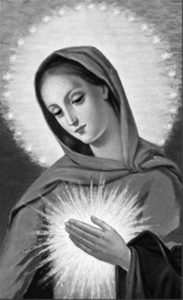 Through what became The Spiritual Diary, Jesus and Mary taught Elizabeth, and they continue to instruct the faithful in the divine art of suffering for the salvation of souls. Tasks are assigned for each day of the week, which involve prayer, fasting, and night vigils, with beautiful promises attached to them, laced with special graces for priests and the souls in purgatory. In their messages, Jesus and Mary say that The Flame of Love of the Immaculate Heart of Mary is the greatest grace given to mankind since the Incarnation. And in the not-so-distant future, her flame will engulf the entire world.
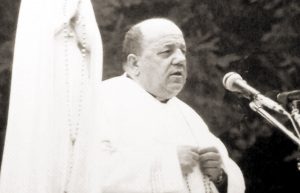 Father Stefano Gobbi
 Why Gisella Cardia?
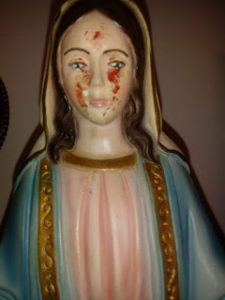 Thirdly, the messages have frequently been accompanied by visible phenomena, photographic evidence found in In Cammino con Maria, which cannot be the fruit of subjective imagination, notably the presence of the stigmata on Giselle’s body and and the appearance of crosses or religious texts in blood on Gisella’s arms. See the pictures taken from her apparition website
 Jennifer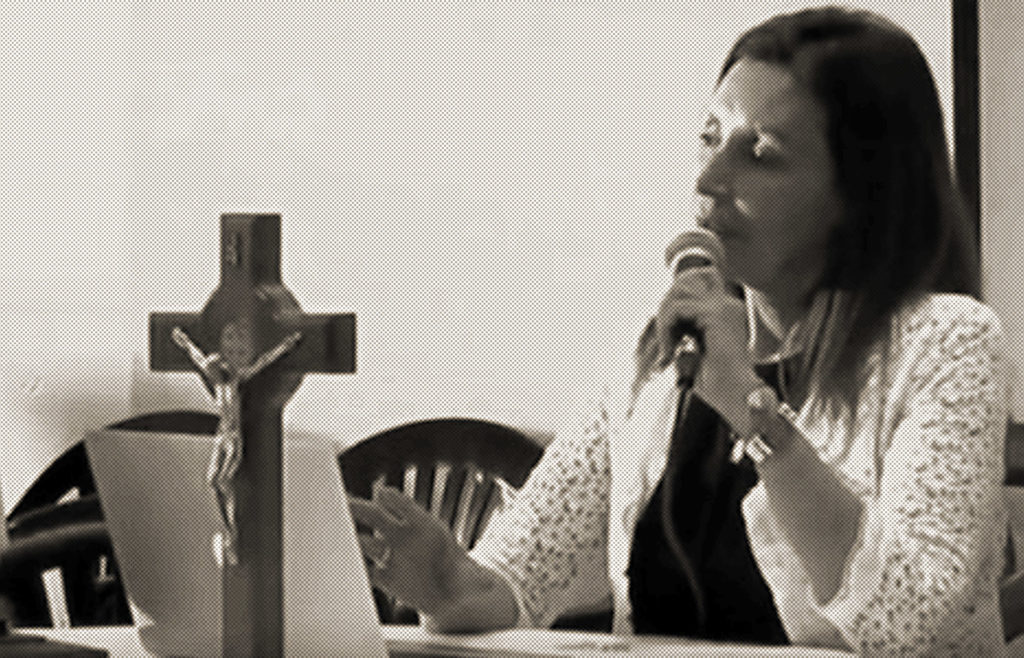
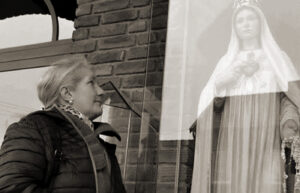 Why Manuela Strack?

 Why the Visionaries of Our Lady of Medjugorje?
 Why Pedro Regis?
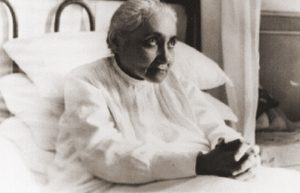 Why the Servant of God Luisa Piccarreta?
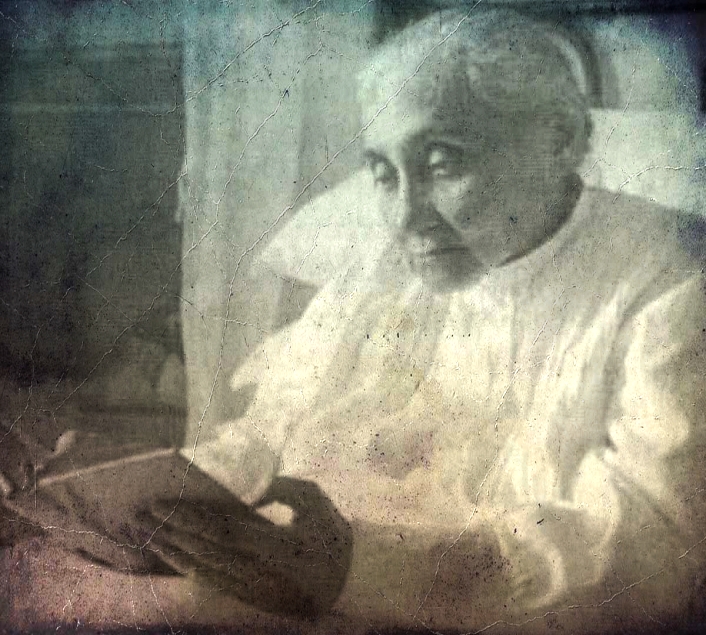 of the saints. It wasn’t until she became a “Daughter of Mary” that the nightmares finally ceased at the age of eleven. In the following year, Jesus began to speak interiorly to her especially after receiving Holy Communion. When she was thirteen, He appeared to her in a vision that she witnessed from the balcony of her home. There, in the street below, she saw a crowd and armed soldiers leading three prisoners; she recognized Jesus as one of them. When He arrived beneath her balcony, He raised his head and cried out: “Soul, help Me!” Deeply moved, Luisa offered herself from that day on as a victim soul in expiation for the sins of mankind.
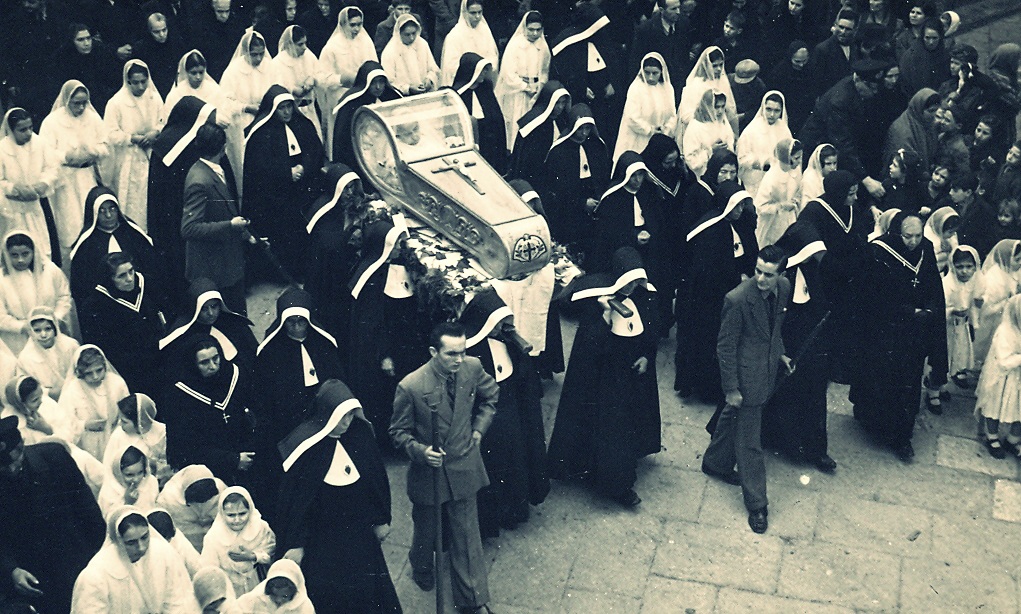 immobile, rigid-like state that appeared almost as if she were dead. It was only when a priest made the sign of the Cross over her body that Luisa regained her faculties. This remarkable mystical state persisted until her death in 1947—followed by a funeral that was no little affair. During that period in her life, she suffered no physical illness (until she succumbed to pneumonia at the end) and she never experienced bedsores, despite being confined to her little bed for sixty-four years.
 Why Simona and Angela?
 Valeria Copponi