
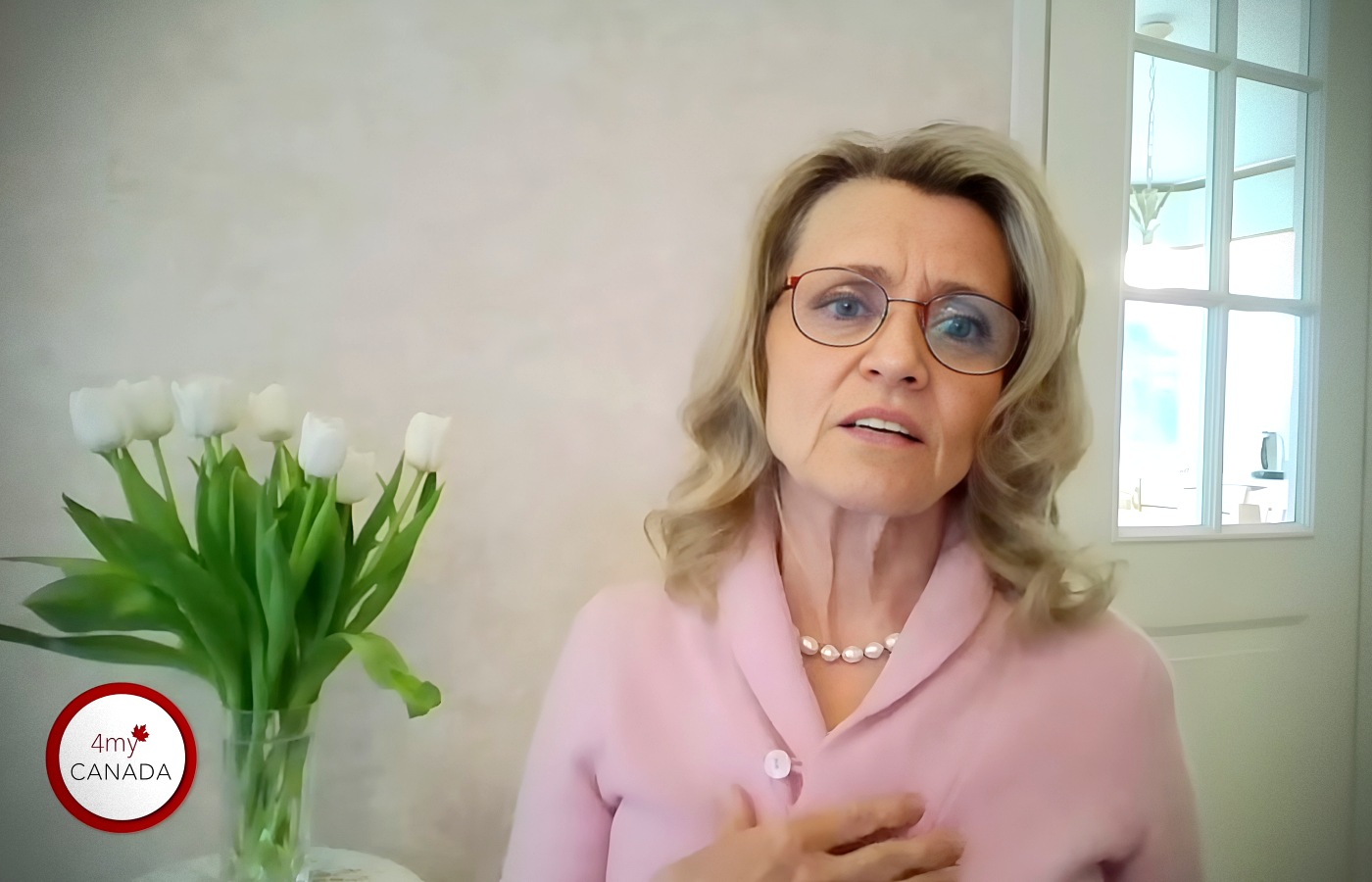
In this riveting interview, Finnish Member of Parliament Päivi Räsänen shares her personal story with My Canada Association of being investigated, charged, and ultimately convicted over expressing biblical views on a culturally controversial topic. The irony: She was charged with a bill she actually voted for years ago, never expecting it to be used this way. At the same time, an Imam calling for the death of homosexuals was never charged.
This is more than a testimony — it’s a warning to Canadians, Australians, and Europeans that Christendom in the West has fallen, and that freedom of religion has all but disappeared as new “online harm” and “hate speech” bills pass through their parliaments.
Pope Benedict XVI warned us when, in a Christmas speech, he compared our times to the collapse of the Roman Empire:
For all its new hopes and possibilities, our world is at the same time troubled by the sense that moral consensus is collapsing, consensus without which juridical and political structures cannot function. Consequently the forces mobilized for the defence of such structures seem doomed to failure. Only if there is such a consensus on the essentials can constitutions and law function. This fundamental consensus derived from the Christian heritage is at risk… In reality, this makes reason blind to what is essential. To resist this eclipse of reason and to preserve its capacity for seeing the essential, for seeing God and man, for seeing what is good and what is true, is the common interest that must unite all people of good will. The very future of the world is at stake. —Address to the Roman Curia, December 10, 2020; vatican.va
The spiritual crisis involves the entire world. But its source is in Europe. People in the West are guilty of rejecting God… The spiritual collapse thus has a very Western character… Because [Western man] refuses to acknowledge himself as an heir [of spiritual and cultural patrimony], man is condemned to the hell of liberal globalization in which individual interests confront one another… —Cardinal Robert Sarah, April 5th, 2019, catholiceducation.org

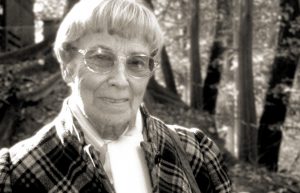 Alicja Lenczewska
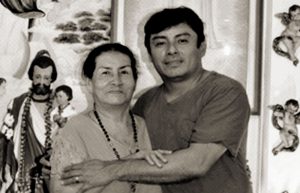
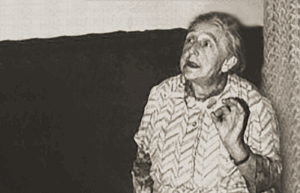 Elizabeth Kindelmann
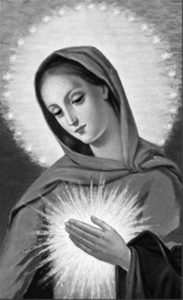 Through what became The Spiritual Diary, Jesus and Mary taught Elizabeth, and they continue to instruct the faithful in the divine art of suffering for the salvation of souls. Tasks are assigned for each day of the week, which involve prayer, fasting, and night vigils, with beautiful promises attached to them, laced with special graces for priests and the souls in purgatory. In their messages, Jesus and Mary say that The Flame of Love of the Immaculate Heart of Mary is the greatest grace given to mankind since the Incarnation. And in the not-so-distant future, her flame will engulf the entire world.
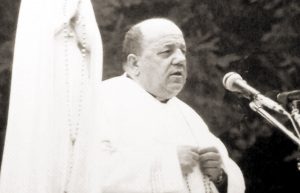 Father Stefano Gobbi
 Why Gisella Cardia?
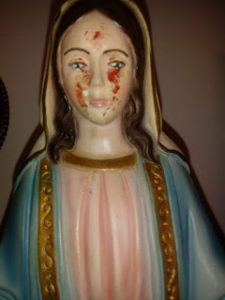 Thirdly, the messages have frequently been accompanied by visible phenomena, photographic evidence found in In Cammino con Maria, which cannot be the fruit of subjective imagination, notably the presence of the stigmata on Giselle’s body and and the appearance of crosses or religious texts in blood on Gisella’s arms. See the pictures taken from her apparition website
 Jennifer
 Why Manuela Strack?
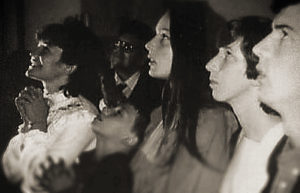 Why the Visionaries of Our Lady of Medjugorje?
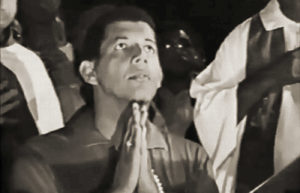 Why Pedro Regis?
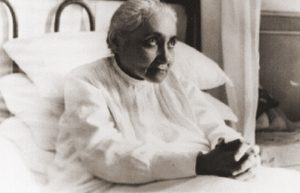 Why the Servant of God Luisa Piccarreta?
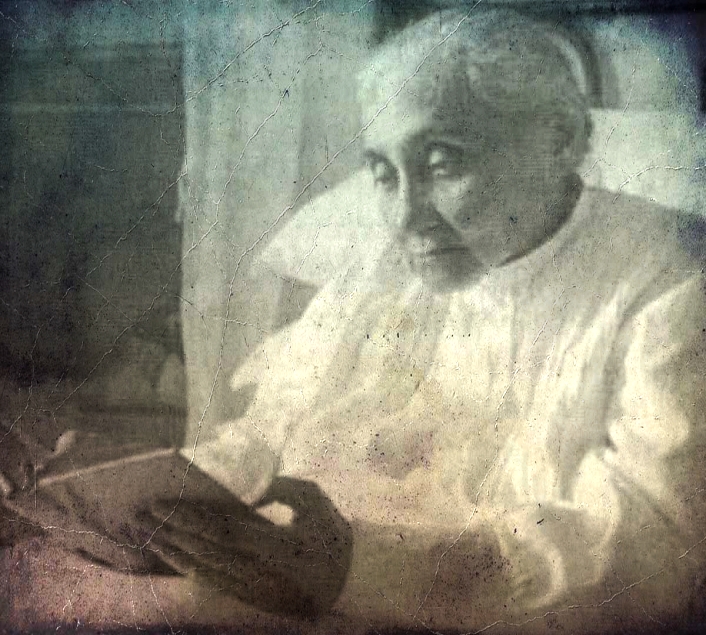 of the saints. It wasn’t until she became a “Daughter of Mary” that the nightmares finally ceased at the age of eleven. In the following year, Jesus began to speak interiorly to her especially after receiving Holy Communion. When she was thirteen, He appeared to her in a vision that she witnessed from the balcony of her home. There, in the street below, she saw a crowd and armed soldiers leading three prisoners; she recognized Jesus as one of them. When He arrived beneath her balcony, He raised his head and cried out: “Soul, help Me!” Deeply moved, Luisa offered herself from that day on as a victim soul in expiation for the sins of mankind.
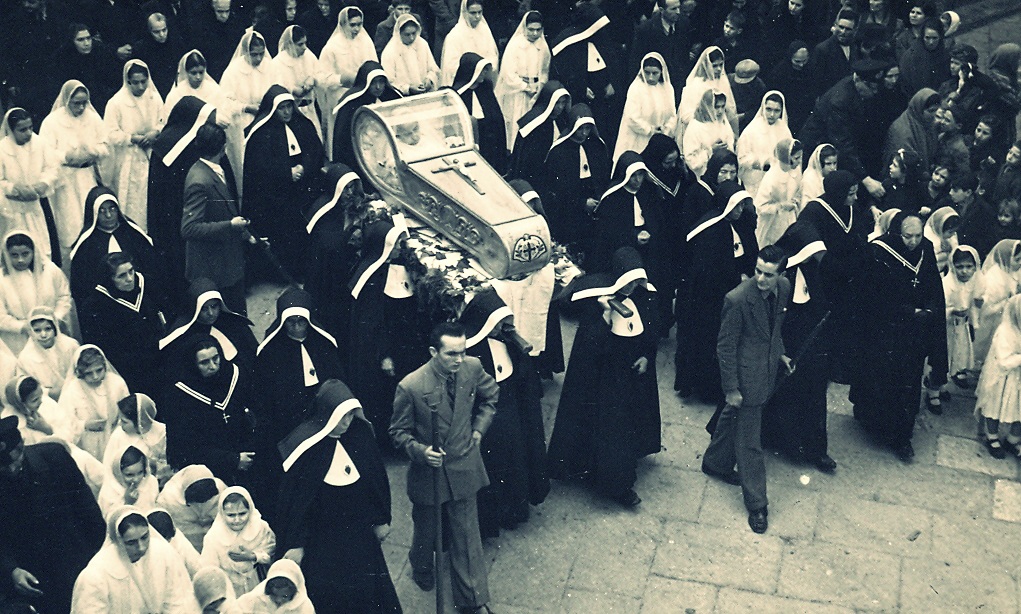 immobile, rigid-like state that appeared almost as if she were dead. It was only when a priest made the sign of the Cross over her body that Luisa regained her faculties. This remarkable mystical state persisted until her death in 1947—followed by a funeral that was no little affair. During that period in her life, she suffered no physical illness (until she succumbed to pneumonia at the end) and she never experienced bedsores, despite being confined to her little bed for sixty-four years.
 Why Simona and Angela?
 Valeria Copponi